What's Worth Fixing, and What Isn't
Sellers routinely spend money on the wrong repairs before listing. Here is what actually moves buyer perception and offer price, and what doesn't.

Fresh, neutral paint throughout the main living areas is consistently the highest-return preparation a seller can make, particularly covering bold accent walls or dated colors that can make it harder for buyers to picture the space as their own. Deep cleaning, including carpets, grout, and windows, costs relatively little and directly affects a buyer's first impression walking through the door.
Fixing anything that would show up on a home inspection as a genuine defect, a leaking faucet, a malfunctioning outlet, a clearly failing component, is worth addressing before listing rather than waiting for a buyer's inspection to surface it, since a defect discovered during inspection tends to generate a larger request than the actual repair cost would have been.
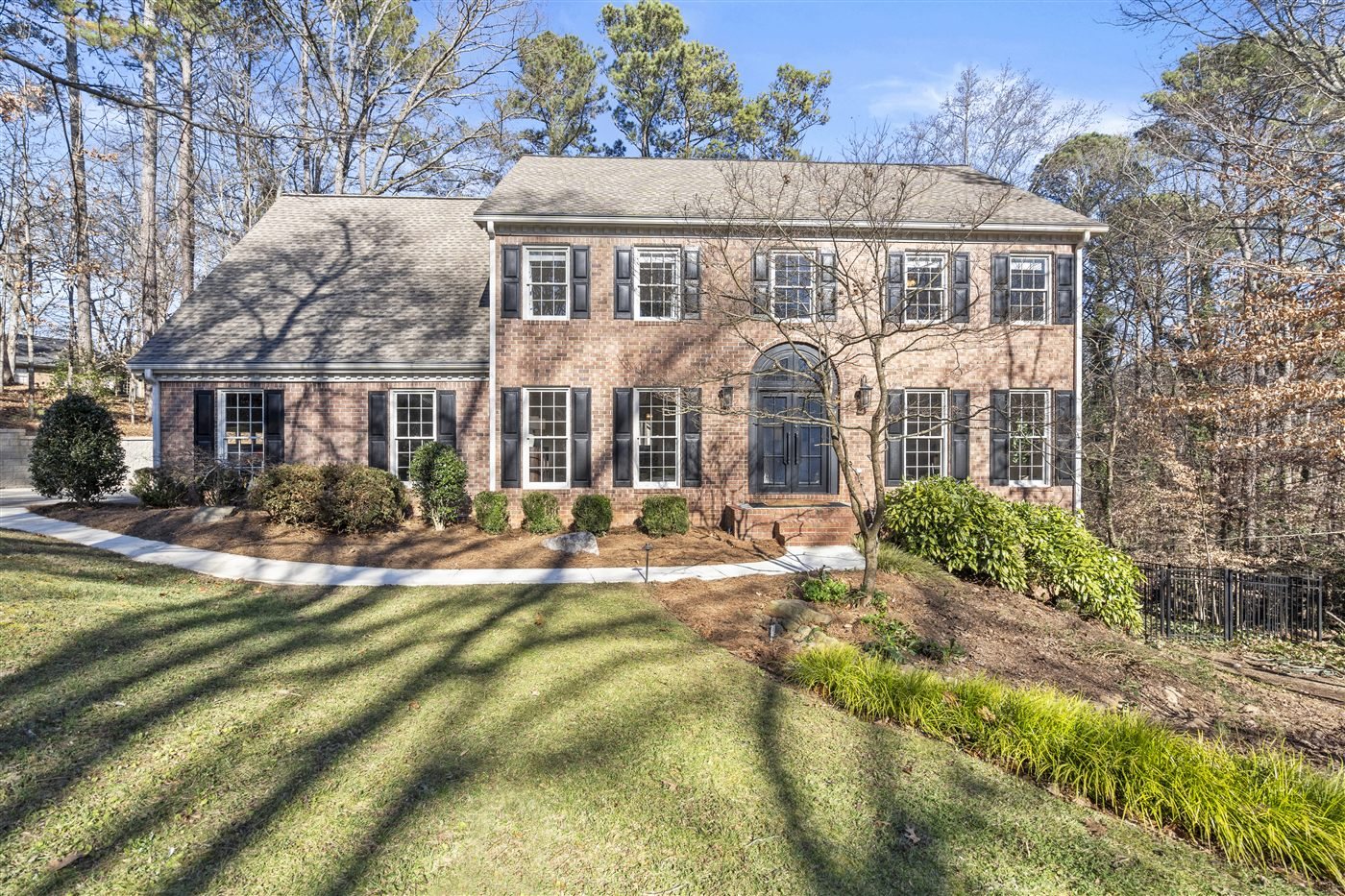
Curb appeal improvements, fresh mulch, trimmed landscaping, a clean and possibly repainted front door, and pressure washing the driveway and exterior, are inexpensive and directly affect the first impression that drives a buyer's interest before they even walk inside.
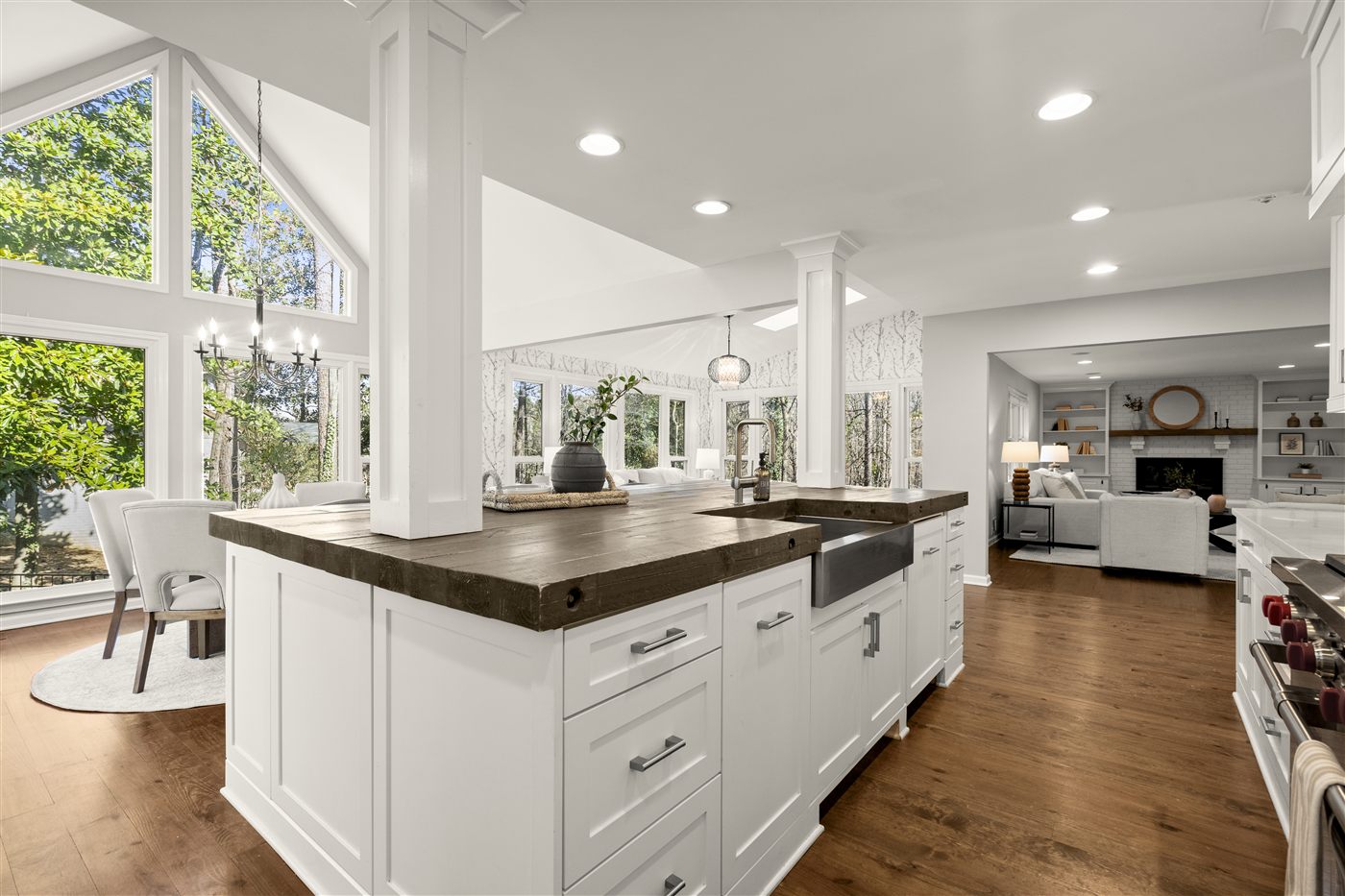
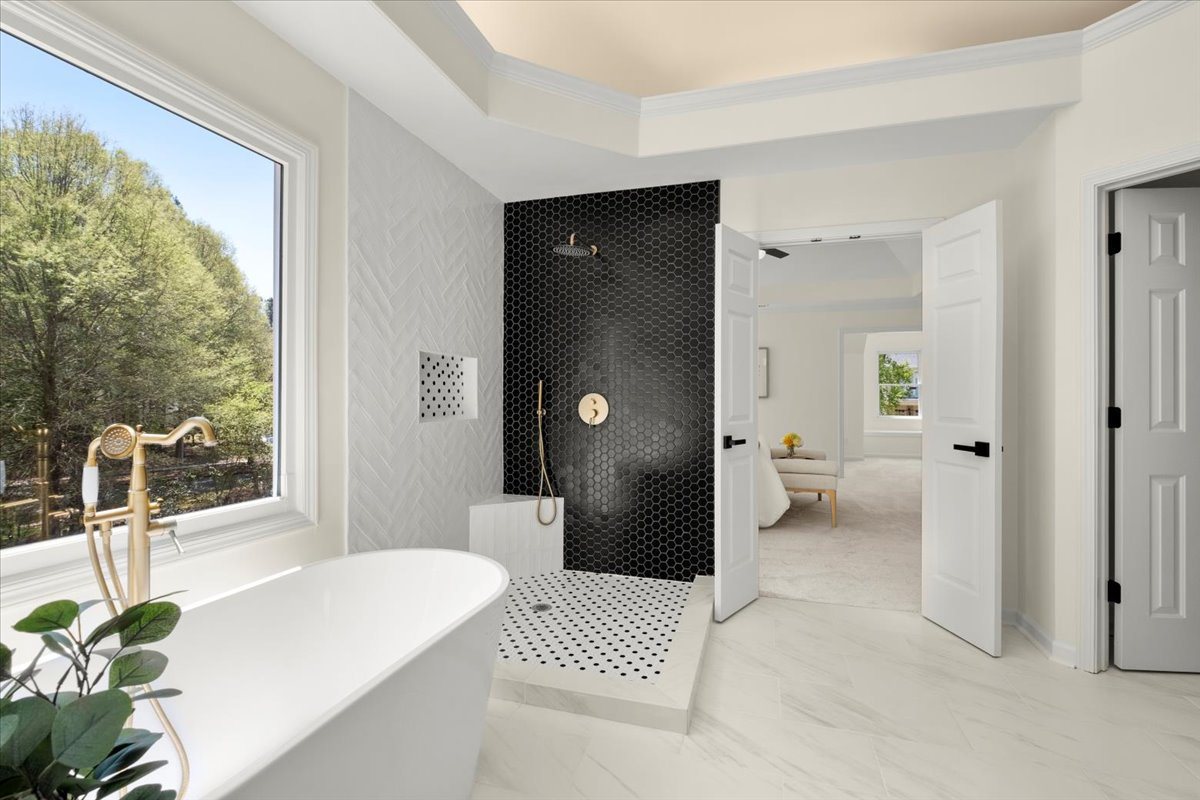
Full kitchen and bathroom renovations before selling rarely return their full cost at closing, and sellers who undertake them often find that buyers would have preferred to make their own selections rather than pay a premium for the seller's specific choices. A partial refresh, updated hardware, a fresh coat of cabinet paint, new lighting fixtures, typically delivers a better return than a full remodel.
Major structural or system upgrades beyond what is needed for safety or a passing inspection, replacing a functional but older roof simply because it isn't new, for example, generally do not return their cost and are better left as a negotiating point if a buyer raises it during inspection rather than a pre-listing expense.

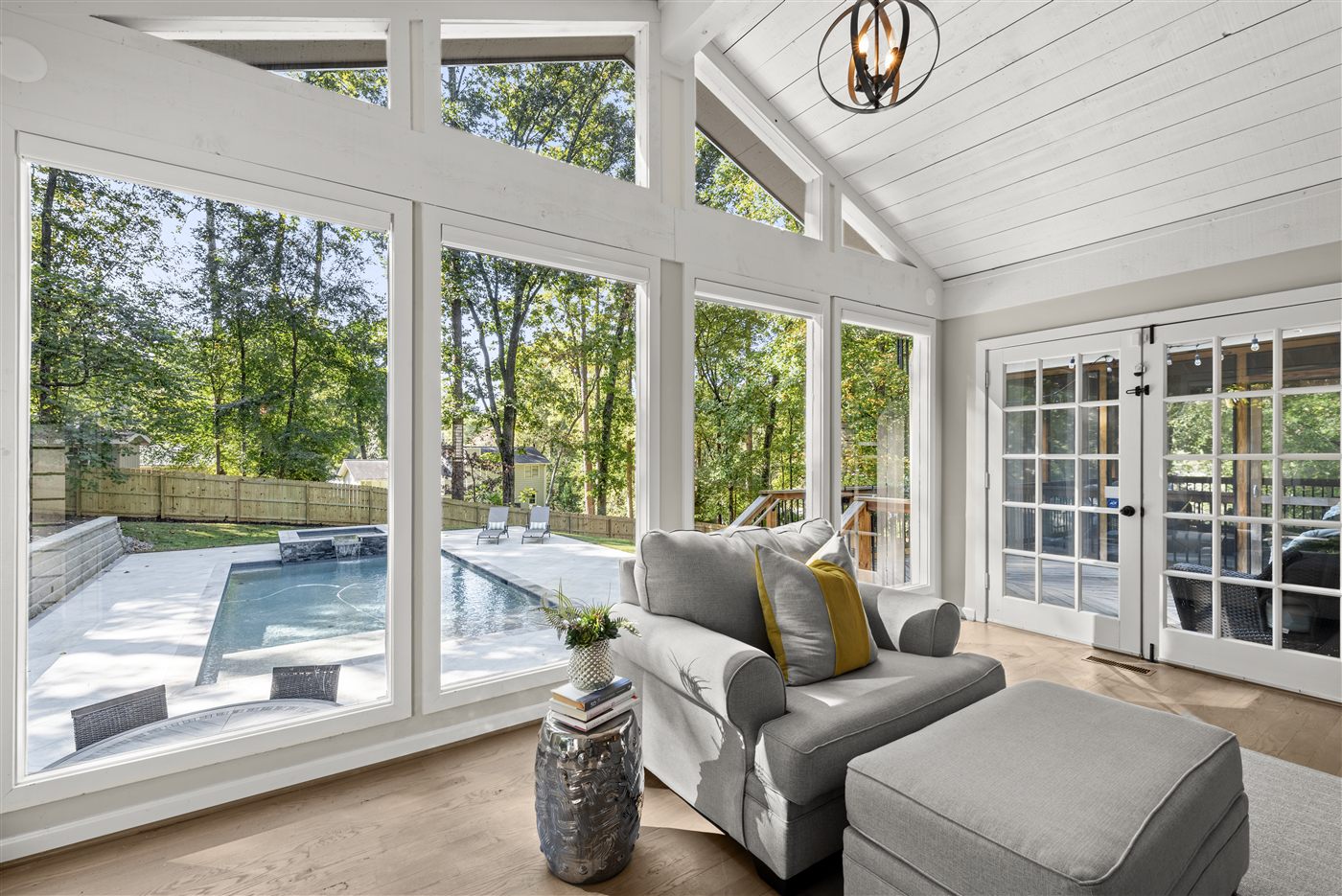
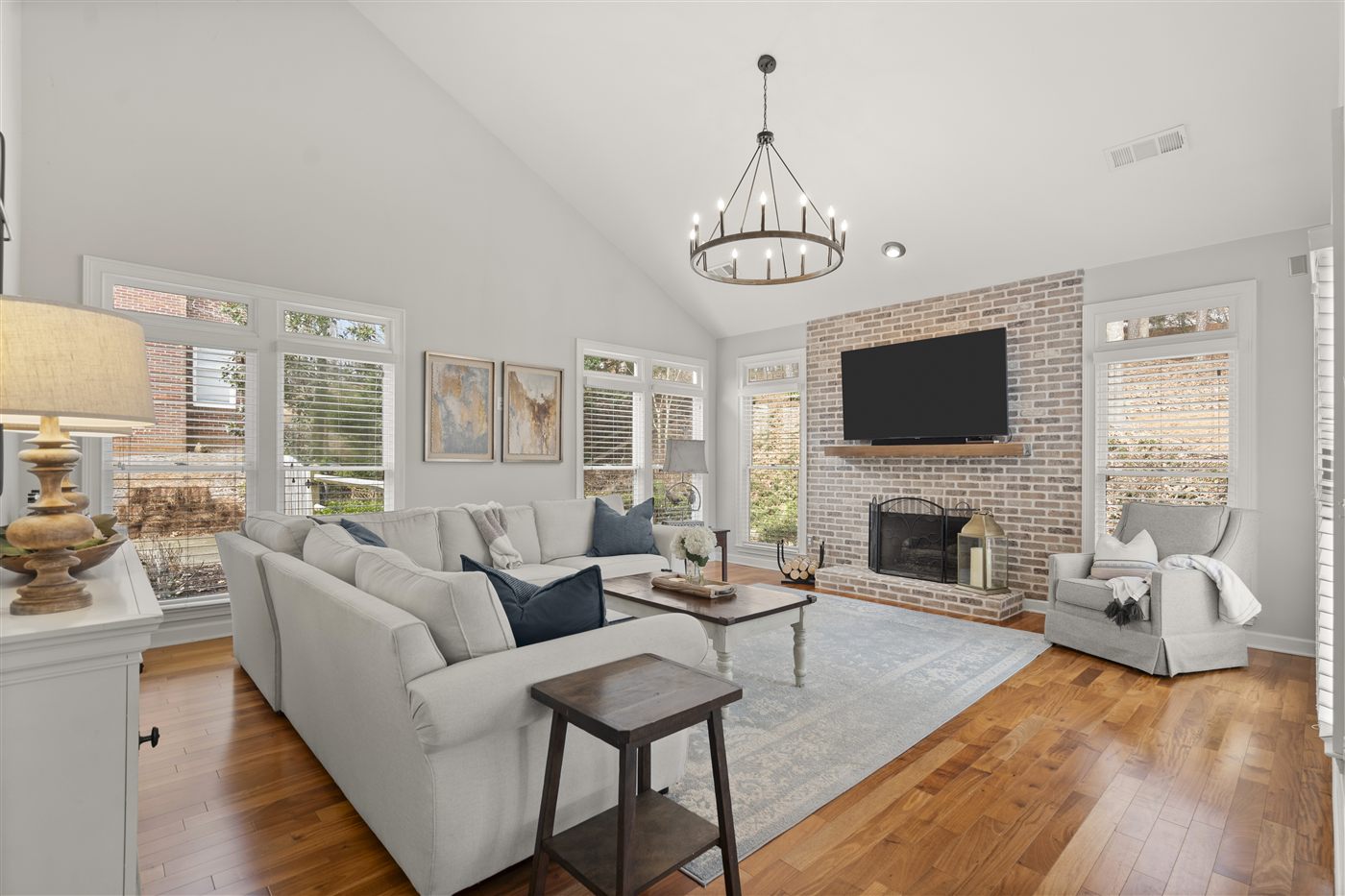
Decluttering and depersonalizing, removing excess furniture, family photos, and personal collections, costs nothing beyond effort and consistently helps buyers picture themselves in the space rather than feeling like a guest in someone else's home. Professional staging, either full staging of a vacant home or partial staging of an occupied one, tends to show the strongest return in higher price points and in homes that have sat vacant, where empty rooms can otherwise feel smaller and harder to photograph well.
Professional photography is not optional in today's market. The majority of buyers form their first impression of a listing online before ever requesting a showing, and photos that don't do a well-prepared home justice cost sellers showings they would otherwise get.

Sellers with limited time or budget before listing should prioritize in this order: address genuine defects that would surface on an inspection, deep clean and declutter throughout, refresh paint in the most visible living areas, and improve curb appeal. These four categories deliver the strongest return relative to cost and effort, well ahead of larger renovation projects that rarely pay for themselves.

Every home is different, and the right preparation list depends on price point, condition, and what comparable listings in the immediate area look like right now. Billy walks sellers through their specific home before listing and provides a prioritized, honest list of what is actually worth doing and what to skip, rather than a generic checklist. Sellers weighing whether to prepare for a traditional listing at all should also see Billy's comparison of a cash offer versus a traditional sale, since a property needing significant work is sometimes better suited to one path over the other.
Billy will walk your home before listing and give you an honest, prioritized list of what's actually worth doing.
📞 404-372-8883 · Responds within 2 hours