How Walton, Pope, Cambridge, and Milton High Shape Pricing
Two homes with identical square footage a few miles apart can carry very different price tags once school zone enters the picture. Here is how that premium actually works.

Buyers searching in East Cobb and Alpharetta consistently pay more for the same square footage, lot size, and condition when a home sits inside a preferred school zone. This is not anecdotal. It shows up directly in comparable sales analysis, where two nearly identical homes a short drive apart, one inside a preferred zone and one just outside it, can carry a price difference of 10 to 15 percent or more.
The reason is straightforward: enough buyers place a high enough priority on school assignment that demand concentrates inside those boundaries regardless of broader market conditions. That concentrated demand is what creates and sustains the premium, not the schools' reputation in the abstract.

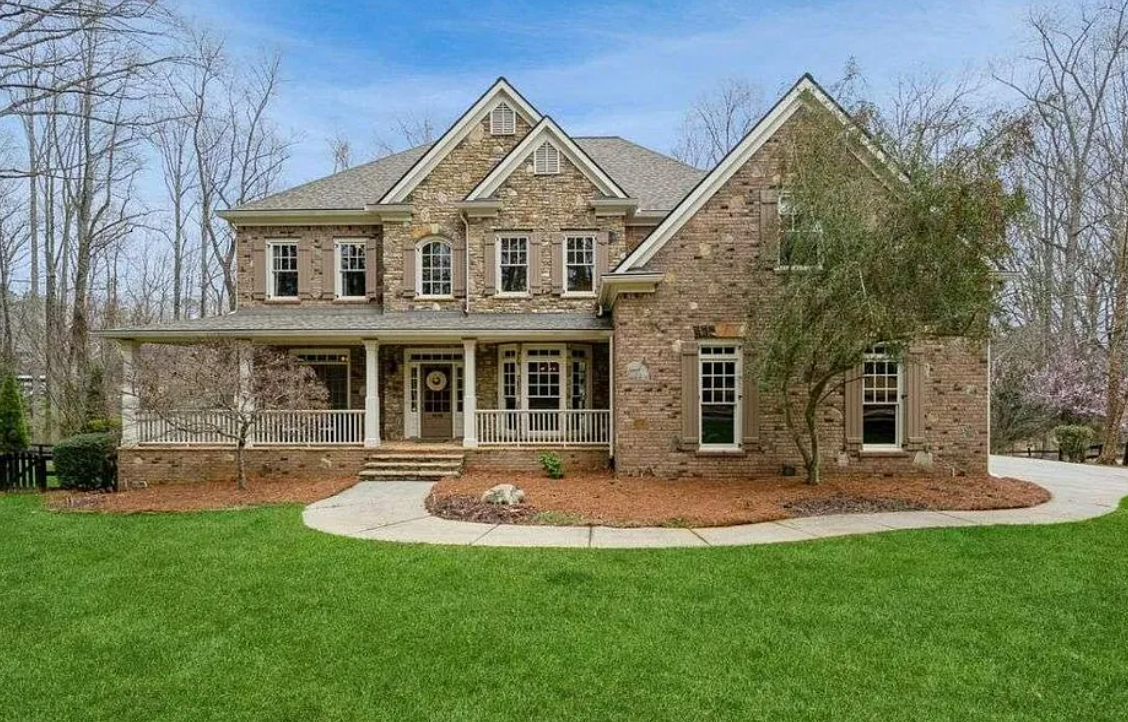
Walton High School's zone covers a substantial portion of East Cobb and consistently carries one of the strongest school-zone premiums in Cobb County. Homes inside the Walton zone, particularly in established subdivisions with larger lots, routinely generate faster sales and stronger offer activity than comparable homes just outside the boundary.
Pope High School's zone, covering a different section of East Cobb, carries a similarly strong premium, with buyers often choosing between the two zones based on specific subdivision character and commute rather than any meaningful difference in school quality. Understanding the exact boundary lines matters here more than in almost any other part of the search, since zone lines can split streets and even individual subdivisions.

In Fulton County, Cambridge High School's zone in the Alpharetta and Milton area carries a comparable premium to Walton in Cobb County, driven by the same dynamic of concentrated buyer demand. Milton High School's zone shows a similar pattern, particularly in newer subdivisions built specifically within its boundaries over the past decade.
Buyers relocating from outside metro Atlanta often underestimate how tightly these boundaries are drawn and how much they matter to local buyers competing for the same inventory. A property one street outside a preferred zone can sit longer on the market and sell for meaningfully less than an otherwise identical home inside it.

The most common mistake buyers make is relying on a general sense of a neighborhood's reputation rather than verifying the exact zone boundary for a specific address. Zone lines change periodically as districts adjust for enrollment, and an agent working the area regularly will know current boundaries and any planned redistricting that could affect a property before you commit to it.
Buyers who are not prioritizing a specific zone can also use this dynamic to their advantage, finding strong homes just outside premium boundaries at a meaningful discount to otherwise comparable properties inside them, particularly when they do not have school-age children or are planning to use the additional savings toward renovations.

School zone assignment should always be verified directly with the relevant county school district for any specific address before writing an offer, not assumed from a neighborhood's general reputation or a listing description. Billy verifies current zone assignment for every property he shows to buyers who have named it as a priority, and flags any pending redistricting that could affect a property during a typical ownership timeline.
Billy checks current school zone assignment and any pending redistricting for every home you're seriously considering.
📞 404-372-8883 · Responds within 2 hours