And What to Actually Do With the Results
An inspection report can run 40 pages and feel alarming even for a genuinely sound home. Here is what actually matters and what to let go.

A standard home inspection in Georgia covers the roof, foundation, structural elements, electrical system, plumbing, HVAC, water heater, and major appliances, along with a visual review of windows, doors, insulation, and attic and crawlspace conditions where accessible. Inspectors test outlets, run appliances, check water pressure, and look for signs of past water intrusion, pest activity, and deferred maintenance throughout the home.
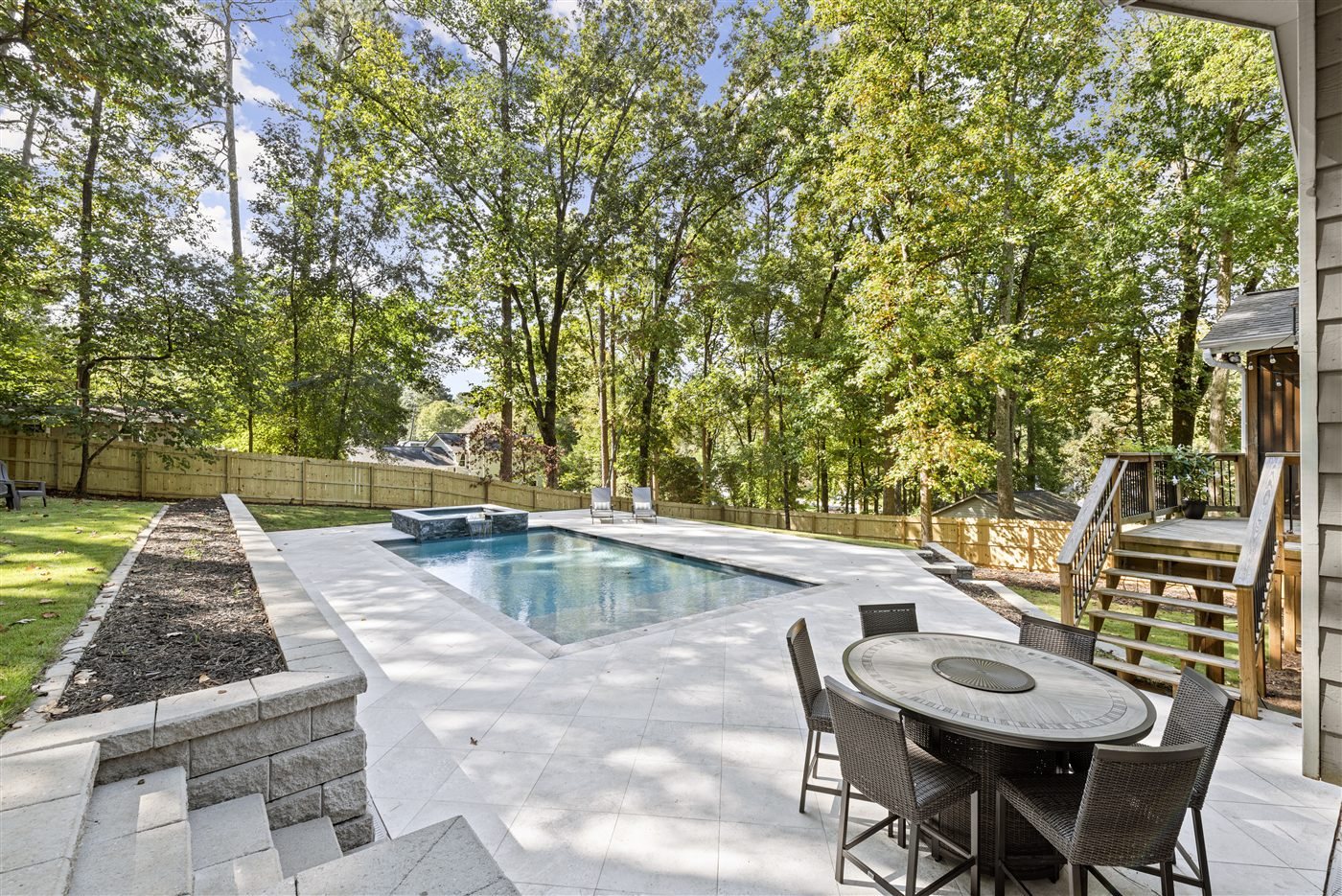
What a standard inspection does not cover, and what buyers should ask about separately when relevant, includes termite and wood-destroying organism inspections, radon testing, sewer line scoping, and pool inspections, each of which typically requires a specialist and an additional fee.

Inspection reports are written to document everything an inspector observes, including minor and cosmetic items, which means even a genuinely well-maintained home can generate a long report full of photos and notes. First-time buyers in particular often see the page count and assume something is seriously wrong, when the majority of items listed are routine maintenance notes rather than significant defects.
The items that matter most are structural issues, active water intrusion, electrical safety hazards, HVAC or roof systems near or past the end of their expected life, and anything affecting the home's habitability or safety. Cosmetic wear, minor caulking issues, and general maintenance recommendations are normal in any home and rarely worth negotiating over.

Safety issues, such as electrical hazards, gas leaks, or structural concerns, are almost always worth requesting repair or credit for, regardless of the home's price point. Major systems at or near failure, an HVAC unit at the end of its expected life or a roof showing signs of active leaking, are typically negotiated as a repair credit rather than requiring the seller to complete the work before closing.
Buyers who negotiate every minor item on a long report risk souring an otherwise smooth transaction over issues that would not meaningfully affect a seller's decision to walk away. A focused request on the items that genuinely matter tends to produce a better outcome than a comprehensive list covering everything the report mentioned.

Significant foundation movement, extensive and untreated water damage, major mold contamination, or evidence of a poorly executed past renovation without permits are the kinds of findings that should prompt a buyer to seriously reconsider the purchase, not just negotiate a credit. These issues are often more expensive and complicated to remediate than they initially appear, and a seller's willingness or unwillingness to address them honestly is itself useful information about the transaction.
Georgia's standard purchase agreement gives buyers an inspection contingency period specifically to make this evaluation, and using that period to get a second opinion from a specialist, a structural engineer or a licensed electrician, for example, is a reasonable and common step when an inspection surfaces something significant.

Billy attends inspections with buyers when possible and helps sort a report into what genuinely needs negotiation versus what is routine, so the repair request that goes to the seller is focused and credible rather than exhaustive. That approach tends to produce better outcomes than either ignoring real issues or fighting over every line item on the report.
Billy helps buyers separate what genuinely needs negotiation from routine maintenance notes on every inspection report.
📞 404-372-8883 · Responds within 2 hours